
Skilled Tradesmen: The Backbone of the American Revolution
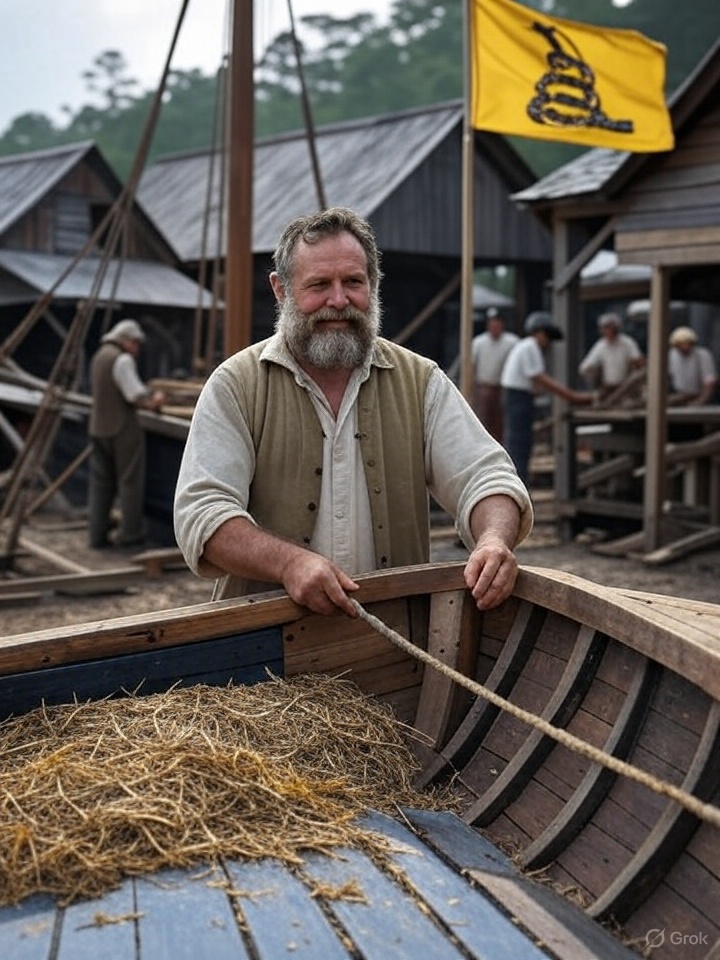
During the American Revolution (1775–1783), skilled tradesmen, including blacksmiths, carpenters, millwrights, welders, and printers, were pivotal in shaping the young nation. These artisans provided essential services, from crafting weapons to building infrastructure, that supported the war effort and fostered the growth of an independent United States. Their trades, honed in the unique environment of the New World, differed significantly from Old World practices, showcasing innovation and adaptability. This blog post explores the critical roles of skilled trades like shipwrights, gunsmiths, and leatherworkers in the Revolution and highlights how their craftsmanship excelled in America compared to Europe.
Key Roles of Skilled Tradesmen in the American Revolution
Skilled trades were the lifeblood of the Revolution, driving both military success and the development of a self-sufficient society. From precision machining to metalworking, these craftsmen ensured the colonies could stand against British forces. Here’s how key trades contributed:
- Blacksmiths: Masters of Metalworking
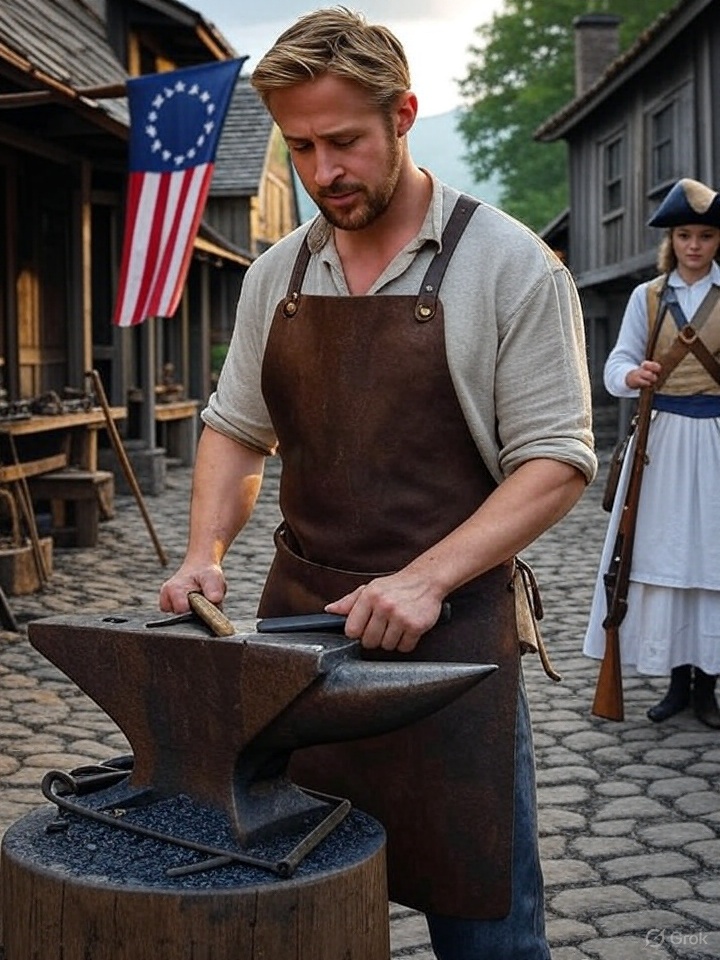
- Role in the Revolution: Blacksmiths, skilled in forging and metal fabrication, crafted weapons like muskets, bayonets, and cannon parts for the Continental Army. They also produced tools, horseshoes, and wagon components, supporting both military and civilian needs.
- Impact on the Young Nation: Their expertise in ironwork reduced reliance on British imports, bolstering economic independence. Blacksmithing shops became hubs for training apprentices, ensuring the trade’s longevity.
- Carpenters and Shipwrights: Building America’s Future
- Role in the Revolution: Carpenters constructed fortifications, barracks, and bridges, while shipwrights, experts in woodworking and maritime construction, built vessels for the American navy and privateers. Their work was vital in battles like Bunker Hill and naval campaigns disrupting British supply lines.
- Impact on the Young Nation: Carpentry and shipbuilding laid the foundation for American infrastructure and maritime trade. Shipwrights crafted durable vessels, supporting the growth of a robust shipping industry.
- Millwrights: Engineering the Revolution
- Role in the Revolution: Millwrights, skilled in mechanical engineering and machinery installation, built and maintained mills that processed grain, gunpowder, and textiles. Their expertise ensured the army and civilians had access to essential supplies.
- Impact on the Young Nation: Millwrights drove early industrial growth, setting the stage for America’s manufacturing sector. Their ability to design and repair complex machinery was critical in a resource-scarce environment.
- Printers: Spreading Revolutionary Ideas
- Role in the Revolution: Printers, masters of graphic arts and publishing, produced pamphlets, newspapers, and broadsides like Thomas Paine’s Common Sense. They also printed currency and military orders, fueling the revolutionary spirit.
- Impact on the Young Nation: Printing fostered literacy and civic engagement, shaping American democracy. Printers established a free press, a cornerstone of the new nation.
- Gunsmiths: Arming the Fight
- Role in the Revolution: Gunsmiths, skilled in firearms manufacturing and precision machining, crafted and repaired rifles and pistols. Their work, particularly the American long rifle, gave soldiers an edge in guerrilla warfare.
- Impact on the Young Nation: Gunsmithing reduced dependence on European arms, fostering a domestic weapons industry. Their innovations became symbols of American ingenuity.
- Tanners, Leatherworkers, and Welders: Supporting the War Effort
- Role in the Revolution: Tanners and leatherworkers produced saddles, harnesses, and cartridge boxes, while welders—though less common—repaired metal equipment using early welding techniques. These trades ensured soldiers were equipped for battle.
- Impact on the Young Nation: Their craftsmanship supported agriculture and transportation, key to the early economy. Leatherworking and welding skills helped standardize military gear.
New World Innovations: Skilled Trades in America vs. Europe
The New World’s unique conditions—abundant resources, sparse population, and limited infrastructure—shaped skilled trades differently from Europe. American artisans adapted their craftsmanship to meet local demands, excelling in ways their Old World counterparts could not. Here’s how key trades evolved:
- Blacksmithing: Versatility in Metalworking
- New World Adaptation: Unlike European blacksmiths, who often specialized due to guild structures, American blacksmiths were versatile, forging everything from weapons to farm tools. Using local iron, they developed innovative forging techniques to work with less refined materials.
- Why It Excelled: Their adaptability in metalworking was crucial during supply shortages, making blacksmithing a cornerstone of the Revolution.
- Shipbuilding: Leveraging Abundant Resources
- New World Adaptation: American shipwrights used plentiful timber like oak and pine, unlike European counterparts facing shortages. They built faster, more maneuverable ships suited for privateering, showcasing advanced woodworking and maritime construction.
- Why It Excelled: Access to raw materials and demand for naval power gave American shipbuilding an edge, supporting the war and early trade.
- Gunsmithing: The American Long Rifle
- New World Adaptation: American gunsmiths developed the long rifle, a lighter, more accurate weapon than European muskets. Their precision machining skills, influenced by German immigrants, suited frontier and guerrilla warfare.
- Why It Excelled: The long rifle, a product of expert firearms manufacturing, gave American sharpshooters a tactical advantage, shaping a unique arms industry.
- Millwrighting: Early Industrial Innovation
- New World Adaptation: Millwrights in America designed mills for diverse needs, from grain to gunpowder, using local materials. Unlike European millwrights, who worked in established industrial hubs, Americans innovated with limited resources, advancing mechanical engineering.
- Why It Excelled: Their machinery installation expertise supported early industrialization, critical for self-sufficiency.
- Printing: A Tool for Revolution
- New World Adaptation: Free from European regulations, American printers used portable presses to produce subversive materials, spreading revolutionary ideas. Their publishing skills catered to a dispersed population.
- Why It Excelled: Printing unified the colonies, fostering a culture of free expression unmatched in Europe.
- Leatherworking and Welding: Local Expertise
- New World Adaptation: Tanners used abundant native hides, developing leatherworking techniques for durable goods. Early welders adapted metal fabrication to repair equipment in resource-scarce settings.
- Why It Excelled: These trades met the unique demands of frontier life, supporting military and civilian needs with innovative craftsmanship.
Challenges and Lasting Impact of Skilled Trades
Skilled tradesmen faced challenges like material shortages and British occupation but overcame them through ingenuity. Their trades, from welding to carpentry, reduced reliance on imports, fostering economic independence. Many artisans also joined militias or hosted political discussions, shaping the nation’s social and political fabric.
Skilled tradesmen—blacksmiths, carpenters, millwrights, shipwrights, gunsmiths, printers, leatherworkers, and early welders—were the unsung heroes of the American Revolution. Their craftsmanship in metalworking, woodworking, mechanical engineering, and publishing supported the war and built a self-reliant nation. By adapting Old World trades to New World challenges, they created innovations like the long rifle and efficient ship designs, setting American skilled trades apart. For more on tradesmen in history, visit sites like Colonial Williamsburg or explore primary sources on artisan life.